Why is protein important?
Protein is required for the maintenance, repair and growth of lean muscle mass and also allows for optimal immune system function. Low dietary protein lengthens recovery time, causes muscle weakness and suppresses the immune system.
Having protein prior to hard training can improve your body’s ability to make muscle as well as boost how well your muscles adapt to training.
Studies have shown that having protein and carbohydrates together after training allows the body to restock glycogen stores 4X faster and reduces inflammation and boosts immunity.
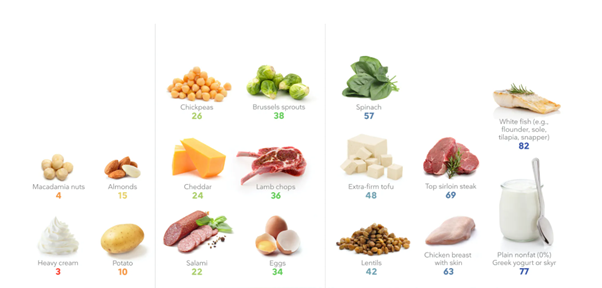
How much protein does an athlete need?
It is recommended that you have 2g of good quality fully amino acid protein per kg of body weight ie if you weigh 70kg you require 140g of protein per day.
When should I consume my protein.
You should aim to spread your protein evenly across your meals and post recovery fueling. Each meal should contain 30-40 grams depending on your body weight of good quality protein, with a minimum of 2.5g leucine for optimal muscle protein synthesis. Your breakfast meal is critical as this is setting your body up after its overnight fast.
You should have a balance meal of 30 – 40g of protein and 60g of carbohydrate 2 hrs prior to training. If your meal is more than 2hrs before training 30-45 mins prior have a balanced snack.
After a training session is over women require 30g protein and 20g of carbs, and men 20g protein and 10g of carbs.
You need protein and need it fast within 1/2hr of finishing training to repair muscle damage. Especially women as your progesterone levels exacerbate muscle breakdown after exercise.
The best source of protein post training is whey protein as it is quickly absorbed and supplies all 9 essential amino acids. It contains high amounts of Leucine and Cysteine which both aid in optimal muscle protein synthesis.
There are 3 types of whey protein:
- Concentrate. 70-80% protein and contains lactose.
- Isolate. 90% protein and is filtered to remove the majority of lactose.
- Hydrolysate. 90-95% protein and has all lactose removed and has the quickest absorption rate.
One hour later have another balanced meal of 30 – 40g protein and 60g carbohydrate.
NOTE: Always check your protein powder is Informed Sport / WADA approved. In fact all supplements should.