
Overview
Race readiness is the ability to arrive at the start line prepared, composed, and ready to perform.
Performance is not only determined by fitness. It is shaped by how well the athlete prepares, manages the environment, and executes the basics under pressure.
Most avoidable race issues come from poor preparation, not lack of fitness.
Race readiness is not about doing more — it is about removing uncertainty.
Related protocols: Race Fueling • Race Cooling
See also: Race Plan • Race Execution
Who This Guide Is For
This is an athlete-facing race-week and race-day checklist, supported by coaches, parents, team staff or soigneurs where available.
You do not need to have read the Racing Framework to use this protocol. If you have, Race Readiness is the pre-race checklist layer that helps turn the framework into action.
- Athletes use this to remove avoidable uncertainty before race day.
- Coaches use this to check whether the practical pieces are ready to support execution.
- Support people use this to confirm timing, equipment, fueling, cooling, communication and logistics.
Protocol Guidance
This protocol provides a practical system for race preparation.
It should be adapted to the athlete, the race, and the level of support available. Simplicity and repeatability are more important than perfection.
This protocol focuses on being ready to execute. It does not replace more detailed protocols for Race Fueling, Race Cooling / Environment, Race Plan, Race Execution, or review.
Detailed fueling and hydration strategy sits within the Race Fueling protocol, while detailed heat-management strategy sits within the Race Cooling protocol.
Good preparation reduces decision-making during the race.
- Complete your race readiness submission before race day
- Test all relevant strategies in training before using them in racing
- Cooling, fueling, and equipment plans should be prepared before race day, not improvised on the day
- Nothing new on race day
How This Protocol Fits
| Question | What this protocol checks | Useful linked protocol |
|---|---|---|
| What am I trying to do? | Purpose and role are confirmed | Race Plan |
| Can I execute the race? | Equipment, logistics, timing, warm-up and communication are ready | Race Readiness |
| Can I fuel the race? | Pre-race, in-race and feed plan are ready | Race Fueling |
| Will conditions change the plan? | Weather, heat, cooling, clothing and hydration are checked | Race Cooling / Heat Adaptation |
| Is this part of a block? | Recovery and next-day preparation are planned | Stage Race Fueling & Recovery |
Readiness Rules
- Arrive early, calm, and organised
- Know the plan before race day
- Prepare equipment before the race, not at the venue
- Fueling, hydration, and cooling should all be planned in advance
- Do not leave critical decisions to race morning
- Use systems you have already tested in training
- Readiness should reduce uncertainty, not add complexity
Readiness Quick Start
Use this as the simple race-week and race-day readiness guide.
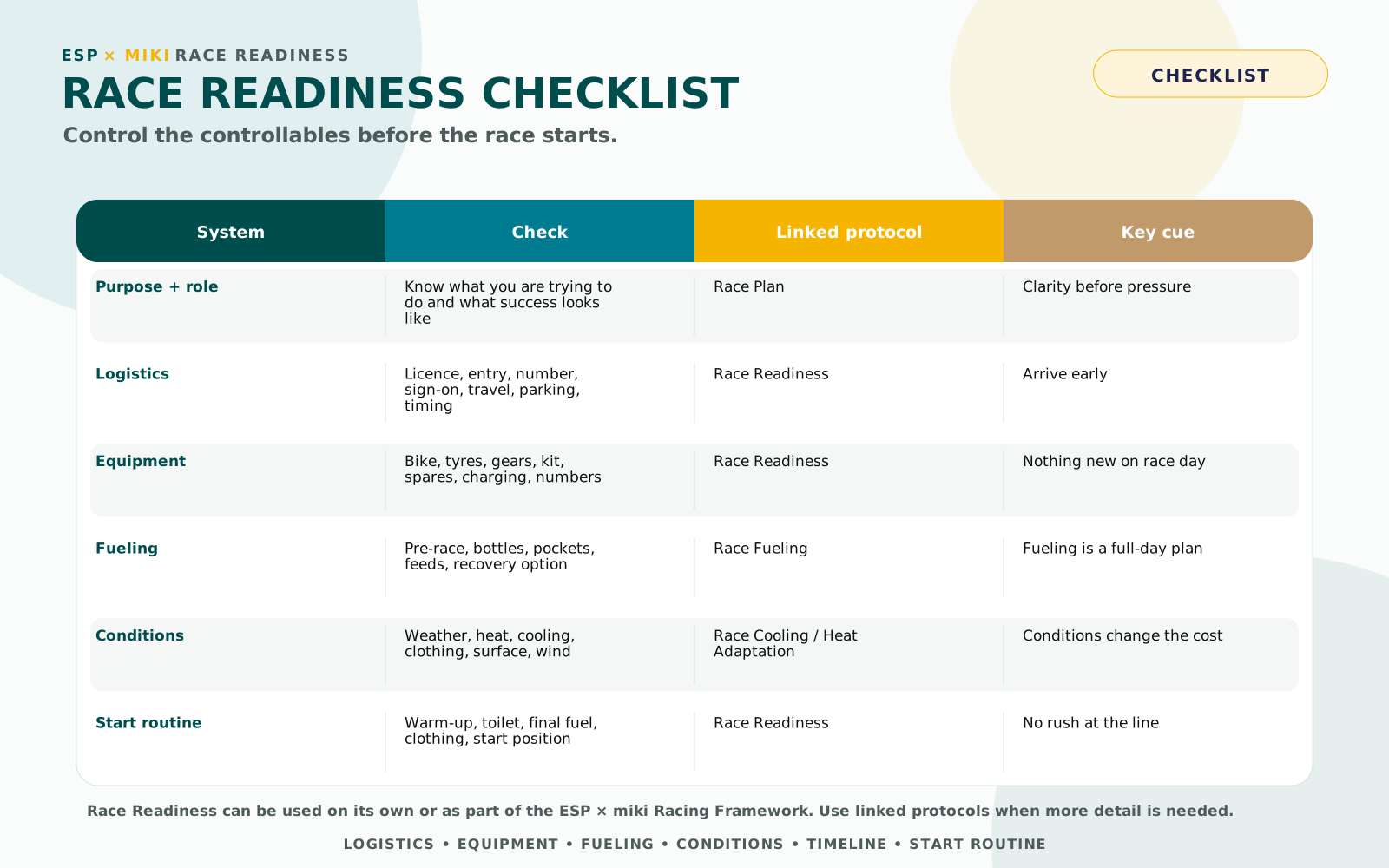
Race Week Checklist
- Licence, entries, insurance, and transponder confirmed
- Travel, parking, accommodation, and arrival time planned
- Bike serviced and checked
- Tyres, brake pads, and setup confirmed before race week ends
- Nutrition, hydration, bottles, and feeding plan prepared
- Cooling plan prepared if conditions require it
- Race bag packed the night before
- Role and race plan confirmed before race day
Key Cues
- Check in early
- Fuel early
- Start cool, not stressed
- Nothing new on race day
- Control the controllables
- Calm mind, decisive action
Visual Quick Start
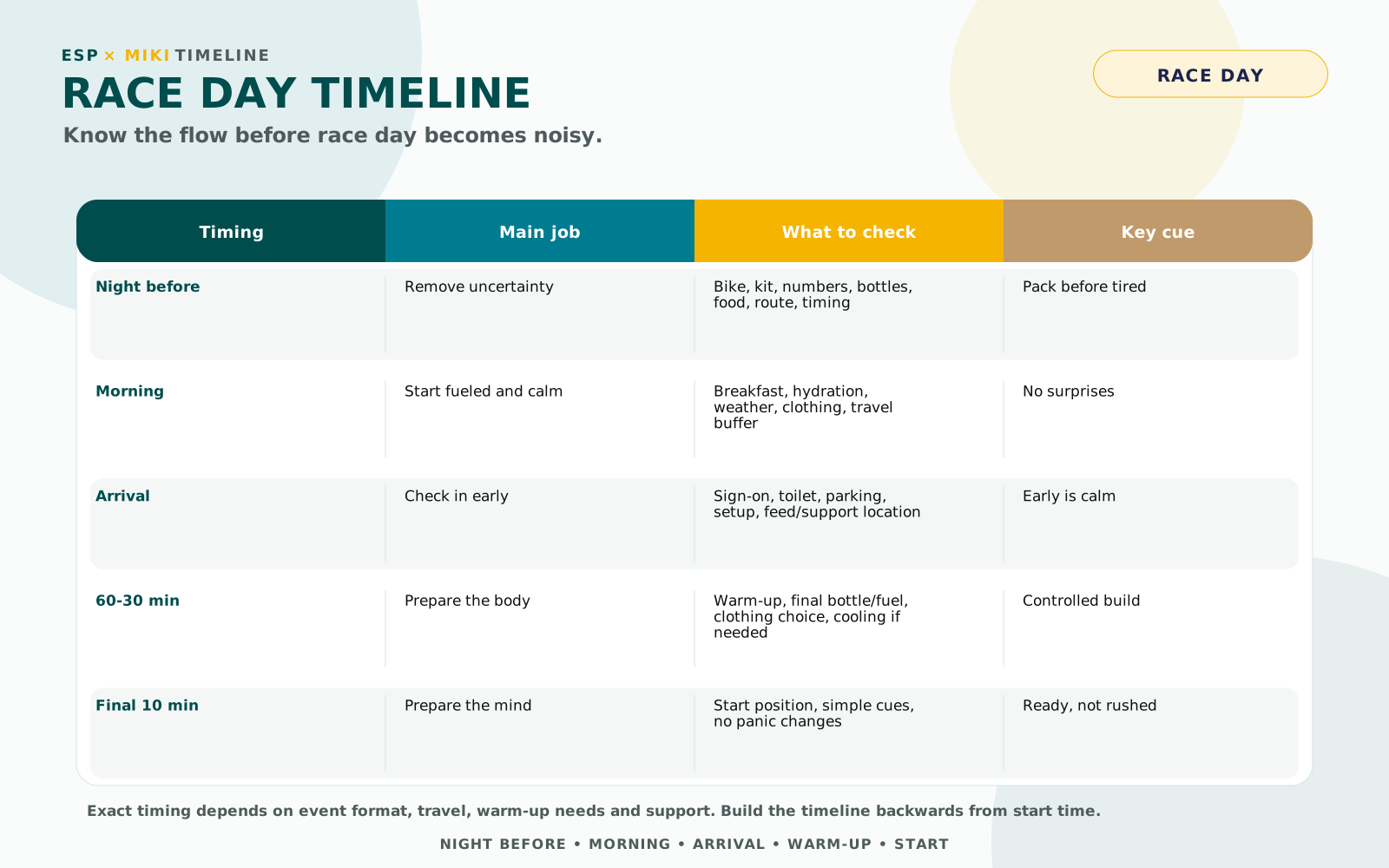
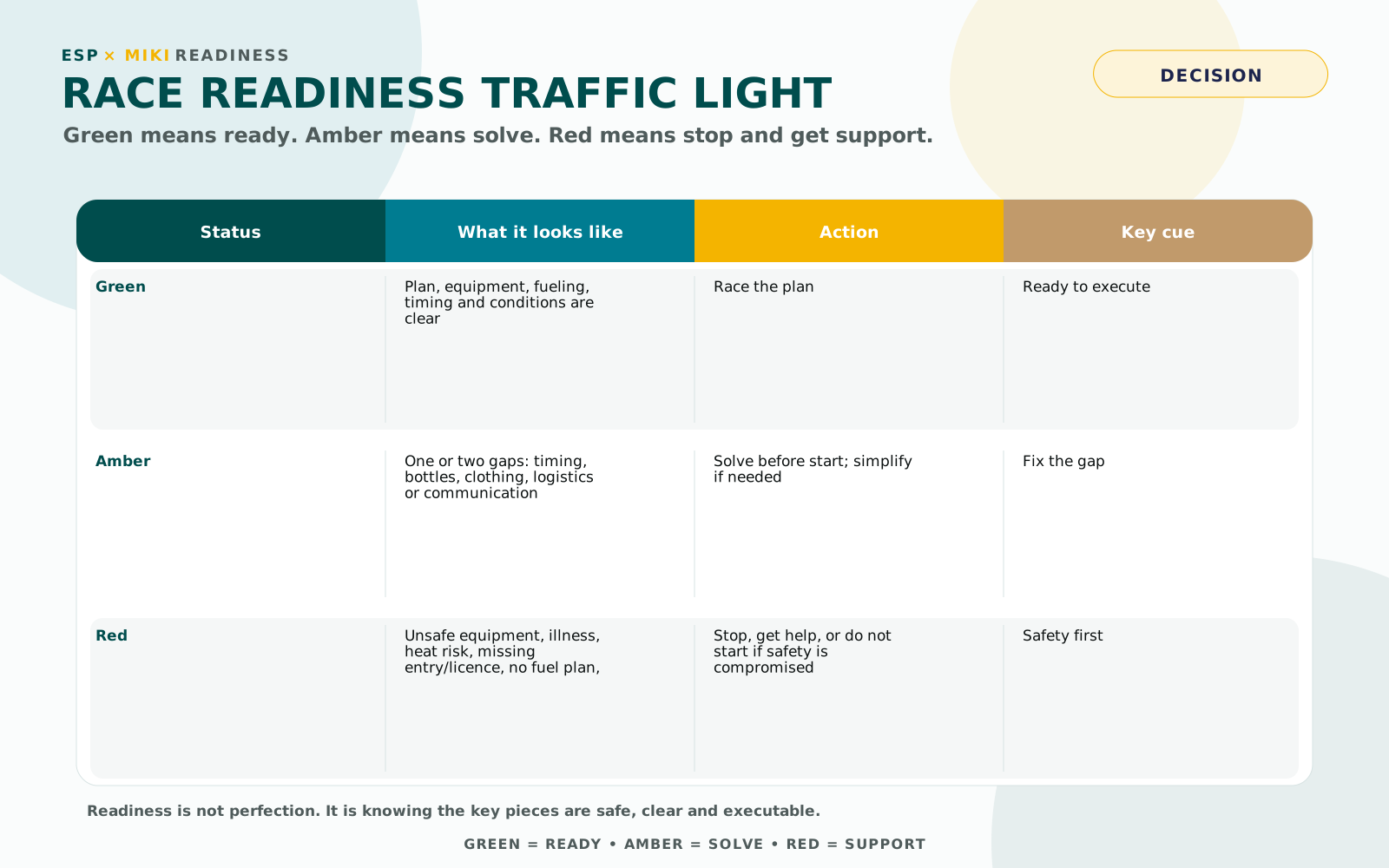
Use these visuals as the field guide: check the full race system, follow the race-day timeline, and use the traffic light to decide whether you are ready, need to modify, or need help.
Racing Priorities
In racing, priorities matter more than perfection.
Preparation should reduce uncertainty so the athlete can stay calm, focused, and ready to execute.
Priority Order
| Priority | Focus | Why |
|---|---|---|
| 1 | Arrive prepared | No preparation = compromised race |
| 2 | Fueling, hydration, and thermal readiness | Direct performance limiters |
| 3 | Position and safety | Keeps you in the race |
| 4 | Tactics and decisions | Only matter if the basics are in place |
Readiness Principle
- Race day should feel organised, not rushed
- Everything possible should be known before the race begins
- Remove second guessing where you can
- Do not overbuild preparation — keep it simple and repeatable
Logistics and Admin
Logistics determine whether you can race smoothly. Good logistics reduce stress before the race even begins.
- Licence, race entry, and transponder ready
- Race numbers collected and correctly fitted
- Know where sign-on is and when it opens
- Always arrive early and check in early
- Know travel time to venue and plan for delays (traffic, parking)
- Know parking location and distance to sign-on and start
- Know where to meet your team or support staff
- Know where toilets are before race start
- Understand start time, call-up, staging, and any briefing process
- Know how service works (team car, neutral service, or self-supported)
- Know feed zones and how feeding is organised
Equipment and Spares
Equipment should be reliable, familiar, and ready before race day.
This includes both performance equipment and any race-day support equipment needed for fueling, hydration, and cooling.
Bike and Setup
- Bike checked and serviced before key races
- Gears, brakes, tyres, and cages all checked
- Tyre choice matched to conditions
- Tyre pressures planned, not guessed on the day
- For key races, fit fresh tyres during race week, not on race day
- Replace brake pads if needed before the event
- Gearing and setup confirmed and familiar
Tech and Charging
- Charge Di2 / electronic shifting
- Charge head unit / GPS
- Check power meter and sensors if used
Spares and Support
- Spare wheels / tools / pump available if needed
- Bottles and cages secure
- Know what support is available and what you must carry yourself
- Prepare extra bottles if race format or heat requires it
Cooling Equipment and Supplies
- Bring a cooler or chilly bin if conditions require cooling support
- Prepare ice, frozen bottles, or slush bottles in advance
- Pack cold towels, ice socks, or other cooling tools if needed
- Ensure access to water for dousing where possible
- Prepare separate cooling bottles and drink bottles if required
- Plan how cooling tools will be delivered (self, roadside, or team car)
- Make cooling equipment easy to access under time pressure
Comfort and Personal Prep
- Sunscreen applied early
- Glasses / lenses matched to conditions
- Chamois cream used if needed
Fueling and Feeding Planning
Fueling and hydration planning should cover the entire race window — before, during, and after the race.
This protocol focuses on applying that plan. Detailed strategy sits within the Race Fueling protocol.
The goal is to protect the athlete and support performance across the full race day.
This becomes even more important in stage racing, where each day affects the next.
Fueling is a full-day system — prepare before, execute during, recover after.
Pre-Race Fueling and Hydration
- Pre-race meal should be planned in advance
- Use familiar, high-carbohydrate, lower-fibre foods
- Avoid foods that increase gut risk (new foods, excess fibre, heavy fats)
- Top up glycogen before the start
- Hydrate early and progressively
- Include sodium in fluids, especially in the final 60–90 minutes
- Avoid relying on plain water before the start
- Do not leave pre-race fueling decisions to race morning
In-Race Fueling and Feeding Plan
- Define what each bottle contains
- Match bottle strength to conditions
- Plan bottle order across the race
- Identify feed zones, support points, and what service is available
- Know when to take bottles and what each one should be
- Have backup fuel in pockets in case a bottle or feed is missed
Post-Race Recovery Preparation
- Have recovery drink or food ready immediately post-race
- Plan initial rehydration (fluids + sodium)
- Know what you will eat in the first 1–2 hours after racing
Fueling, Hydration, and Cooling Integration
- Preparation should cover pre-race fueling and hydration
- Preparation should cover in-race fueling and hydration
- Preparation should cover post-race recovery nutrition and hydration
- Preparation should also cover race cooling setup where conditions require it
- Detailed heat-management execution sits within the Race Cooling protocol
Conditions and Environment
Conditions change how the race feels, how the body responds, and what preparation is required.
This section is about planning for the environment before race day so the athlete is not reacting to conditions too late.
Heat Strategy
- Increase fluid and sodium intake where appropriate
- Plan cooling strategy before race day
- Prepare cold bottles, towels, ice, or cooling tools if needed
- Stay cool before the start and avoid unnecessary sun exposure
- Avoid starting the race already heat stressed
- Detailed cooling strategies are covered in the <a href="/protocols/racecooling"><strong>Race Cooling</strong></a> protocol
Cold / Wet Strategy
- Plan clothing in advance based on likely temperature and rain
- Decide what should be worn to the start, during the race, and after the finish
- Protect warmth before the start rather than getting cold and trying to fix it later
- Plan for wet gloves, overshoes, jackets, or extra layers if needed
- Adjust warm-up and start routine so the athlete begins ready, not chilled
- Prepare dry clothes and post-race recovery kit for after the finish
Wind and Exposure
- Know whether the course is exposed and how wind may affect the race
- Plan equipment and clothing based on likely wind exposure
- Consider bottle access and handling in strong wind
- Prepare the athlete for crosswind, exposed sections, and changing conditions
Surface and Terrain
- Adjust tyre choice and pressure for road surface and conditions
- Plan for wet corners, gravel sectors, technical descents, or rough roads
- Check whether terrain changes bottle access, feeding, or handling
- Make setup decisions before race day, not while standing at the car
Race Day Timeline
A clear timeline reduces stress and improves execution.
Race day should feel structured. The more that is known in advance, the easier it is to stay calm and focused.
Arrival Strategy
- Arrive early with buffer time
- Complete sign-on early
- Settle equipment and preparation calmly
- Avoid rushing straight into warm-up
Race Day Flow
- Wake, hydrate, and eat on time
- Arrive early enough to avoid rushing
- Complete sign-on and setup calmly
- Allow time for toilet stop before the race
- Warm up with enough time to reset before the start
Example Race Day Schedule
This is an example schedule. Adjust based on race timing, conditions, and individual needs.
Fueling, hydration, cooling, and warm-up should match the demands of the race.
| Time Before Start | Task | Notes |
|---|---|---|
| 3:00 hr | Wake up | Begin hydration (fluids + sodium if needed) |
| 2:45 hr | Breakfast | High carbohydrate, low fibre, familiar foods |
| 2:00 hr | Preparation | Pack, check equipment, prepare bottles and cooling supplies |
| 1:30 hr | Travel / arrive | Allow buffer for traffic and parking |
| 1:15 hr | Sign-on | Check in early, collect numbers |
| 1:00 hr | Set up | Prepare bike, bottles, cooling setup, and clothing |
| 0:45 hr | Warm-up (if required) | Progressive build depending on race type |
| 0:20 hr | Openers (if required) | Short efforts to prepare for race intensity |
| 0:15 hr | Pre-race fueling | Small carb top-up (e.g. gel or drink) |
| 0:10 hr | Finish warm-up | Reset, stay cool, avoid overheating |
| 0:05 hr | Final prep | Toilet, final drink, move to start |
| Start | Race begins | Be present early, stay composed |
Race Readiness Submission
Athletes should complete a race readiness submission before the event.
This ensures preparation is clear, reviewed, and aligned with coaching and team expectations.
The goal is to remove uncertainty and confirm all key elements before race day.
Submission Template
Complete and share this with your coach and/or team before the race.
- Race:
- Start time:
- Expected duration:
- Conditions:
Race Day Timeline
- Wake time:
- Breakfast (time + what):
- Arrival time:
- Warm-up plan:
- Final 15 min routine:
Fueling Plan
- Pre-race meal:
- Pre-start intake (gel/drink):
- Bottle plan (what + when):
- Feeding plan:
Hydration Plan
- Fluids before race:
- Sodium strategy:
- Adjustments for heat:
Cooling Plan
Detailed execution of hot-weather strategy sits within the Race Cooling protocol.
- Cooling setup required:
- Cold bottles / towels / ice:
- How cooling will be delivered:
- Post-race cooling plan:
Equipment and Setup
- Tyres and pressure:
- Bike check completed:
- Gearing:
- Spares / support:
Logistics
- Travel plan and timing:
- Parking and arrival buffer:
- Sign-on location and timing:
- Toilets and meeting point:
Race Plan
- Role:
- Key moments:
- Plan A / Plan B:
Contingencies
- Missed bottle:
- Harder than expected race:
- Heat or hydration issues:
- Other:
Warm-Up and Start Routine
The goal of the warm-up is to prepare, not fatigue.
The final 30 minutes before the start should feel controlled, not rushed.
- Use a progressive build in intensity
- Include short openers where appropriate
- Finish warm-up around 10 minutes before the start
- Stay cool and composed before the line
- Know the start procedure (neutral, rolling, grid, etc.)
- Be in position early, not last minute
Race Plan
The race plan should be defined before race day and not created at the start line.
This protocol focuses on being ready to execute the plan, not building it.
Use Race Plan to build the intended strategy, then use Race Execution to confirm the athlete has clear cues for position, energy, fuel, role, reset, and environment modifiers.
Race Plan Readiness
- Know your role clearly
- Know the key moments of the race
- Know the finish type (sprint, climb, technical, positioning)
- Understand your Plan A and simple Plan B
- Confirm the plan with coach and/or team before race day
- Keep race day relaxed and focused — no second guessing
- Do not change the plan on race morning unless required
Course Awareness
- Know the course layout (distance, laps, key features)
- Understand key sectors (climbs, descents, technical sections)
- Know where the race is likely to split
- Preview the course or key sections where possible
- Use maps, profiles, or videos if on-site recon is not possible
- Do not arrive on race day unsure of the course
Race Readiness Checks
These are the practical checks that prevent problems on race day. Most are simple, but missing them can compromise performance.
Race Logistics and Admin
- Licence, race entry, and transponder ready
- Race numbers collected and correctly fitted
- Know where sign-on is and when it opens
- Arrive early and check in early
- Know where to meet your team or support staff
- Know where toilets are before race start
- Understand start time, call-up, and staging process
- Know how service works (team car, neutral service, or self-supported)
- Know feed zones and how feeding is organised
Team and Role Clarity
- Understand the team plan (if applicable)
- Know your role clearly (leader, support, breakaway, etc.)
- Know key race moments and expected tactics
- Have a simple Plan A and Plan B
Fueling, Hydration, and Cooling Preparation
- Pre-race meal planned (high carbohydrate, low fibre, familiar foods)
- Top-up fueling planned before the start
- Hydration started early with sodium included
- Bottle plan clearly defined (what is in each bottle)
- Feeding plan understood (car, roadside, or self-supported)
- Cooling plan prepared if hot conditions are expected
- Recovery nutrition and hydration ready for after the race
Equipment and Setup
- Bike fully serviced before key races (not on race day)
- Fresh tyres fitted during race week (not first used on race day)
- Brake pads checked or replaced if needed
- Tyre pressure set based on conditions
- Gearing and setup checked and familiar
- Cooling equipment packed and accessible if needed
Race Day Preparation
- Race bag packed the night before
- Use a consistent checklist for every race
- All kit ready (helmet, shoes, glasses, gloves, numbers)
- Warm-up plan defined
- Time allocated for toilet stop before race
- Arrive early enough to avoid rushing
- Cooler / chilly bin packed if race-day cooling is needed
Putting It Together
Race readiness works best when all key systems connect cleanly.
Logistics → Equipment → Fueling / Hydration / Cooling → Timeline → Warm-Up → Execution.
The athlete should arrive knowing what to do, what to use, and when to use it.
System Flow
| Layer | Purpose |
|---|---|
| Logistics | Remove avoidable stress |
| Equipment | Ensure reliability and access |
| Fueling / Hydration / Cooling | Protect performance and athlete function |
| Timeline | Reduce decision load |
| Warm-Up and Start | Prepare without rushing |
| Race Plan | Guide execution |
Integration Note
- Race Readiness sets up Race Fueling and Race Cooling
- Execution is easier when readiness is already solved
- The best systems are simple enough to repeat and clear enough to trust
- Race Readiness checks whether Race Execution cues are clear enough to use under pressure
See Also
- Race Plan can sit downstream of readiness once built
- Race Execution will depend on readiness being solved first
Common Mistakes
These are the most common race readiness mistakes — most are avoidable with simple preparation.
- Arriving rushed or leaving preparation to race morning
- Forgetting licence, transponder, or race number
- Not knowing where sign-on is, when it opens, or checking in too late
- Not knowing where toilets are or leaving this too late
- Not knowing where to meet the team or support staff
- Not knowing feed zones or how feeding works in the race
- No clear plan for bottle access (team car vs neutral vs self-supported)
- Not understanding race logistics or service rules
- No clear team plan or unclear personal role
- Poor pre-race fueling (too little, too late, or unfamiliar foods)
- Too much fibre or fat before racing leading to GI issues
- Starting underhydrated or relying on plain water only
- Trying new equipment, nutrition, or setup on race day
- Incorrect tyre pressure or no plan for conditions
- Worn tyres, brake pads, or poorly maintained bike
- Packing race gear last minute or forgetting key items
- No plan for traffic, parking, venue layout, or arrival timing
- Not knowing the course
- No cooling setup despite clearly hot conditions
Review and Refine
Every race improves the next one.
Readiness should be reviewed just like training, fueling, cooling, and execution.
- What worked well?
- What created stress or friction?
- What was forgotten or left too late?
- What setup was unrealistic?
- What will you change next time?