
Overview
This protocol explains how fueling and recovery are managed across multi-day tours, stage races, camps, and repeated race blocks within ESP × miki coaching.
Stage racing is not only about one race meal or one recovery shake. It is about repeating the basics: fueling the stage, starting recovery at the finish, replacing carbohydrate, fluid, sodium, and total energy, rebuilding with protein and real food, protecting sleep, keeping food safe, and preparing for tomorrow.
Use this protocol alongside the Race Fueling Protocol. The Race Fueling Protocol covers race execution: pre-race fueling, in-race carbohydrate, hydration, sodium, caffeine, and immediate race strategy. This protocol covers the full-day system required to recover, repeat, and avoid accumulating deficits across the block.
Fuel the stage. Recover straight away. Drink with sodium. Eat enough. Protect sleep. Repeat.
Who This Guide Is For
This is an athlete-facing protocol, supported by coaches, parents, soigneurs, and team staff.
Riders should understand the simple routine and why it matters. Support people help prepare the plan, prompt the rider, and adapt the details when race demands, weather, appetite, logistics, or recovery needs change.
- The rider should know the basic sequence: first checkpoint, recovery, meal, evening top-up, sleep, breakfast, repeat.
- The coach/support person should prepare recovery before the stage starts and remove friction after the finish.
- The detail sections give coaches and experienced riders the numbers and tools needed to individualise the plan.
Protocol Guidance
The values in this protocol are guiding ranges and field frameworks, not rigid prescriptions. Stage race fueling should be individualised to the rider, stage demand, weather, support level, gut tolerance, appetite, travel demands, sleep, and the next day’s workload.
The aim is to protect the basics first: carbohydrate, fluid, sodium, protein, total energy, food safety and sleep. Recovery supports and supplements can help, but they do not replace the fundamentals.
Stage Race Basics
Stage-race recovery is simple in principle: replace carbohydrate, fluid, sodium, and total energy; add protein and real food to rebuild; protect sleep; keep food safe; then repeat.
The details matter, but the basics come first.
The Basics
- Carbohydrate replaces race energy and protects tomorrow’s performance.
- Fluid replaces sweat losses.
- Sodium helps retain fluid and replace meaningful sweat sodium losses.
- Total energy intake prevents small deficits accumulating across the tour.
- Protein supports repair, adaptation, immune function, and health.
- Sleep is the main recovery tool.
- Safe food handling reduces illness and gastro risk.
Simple Daily Sequence
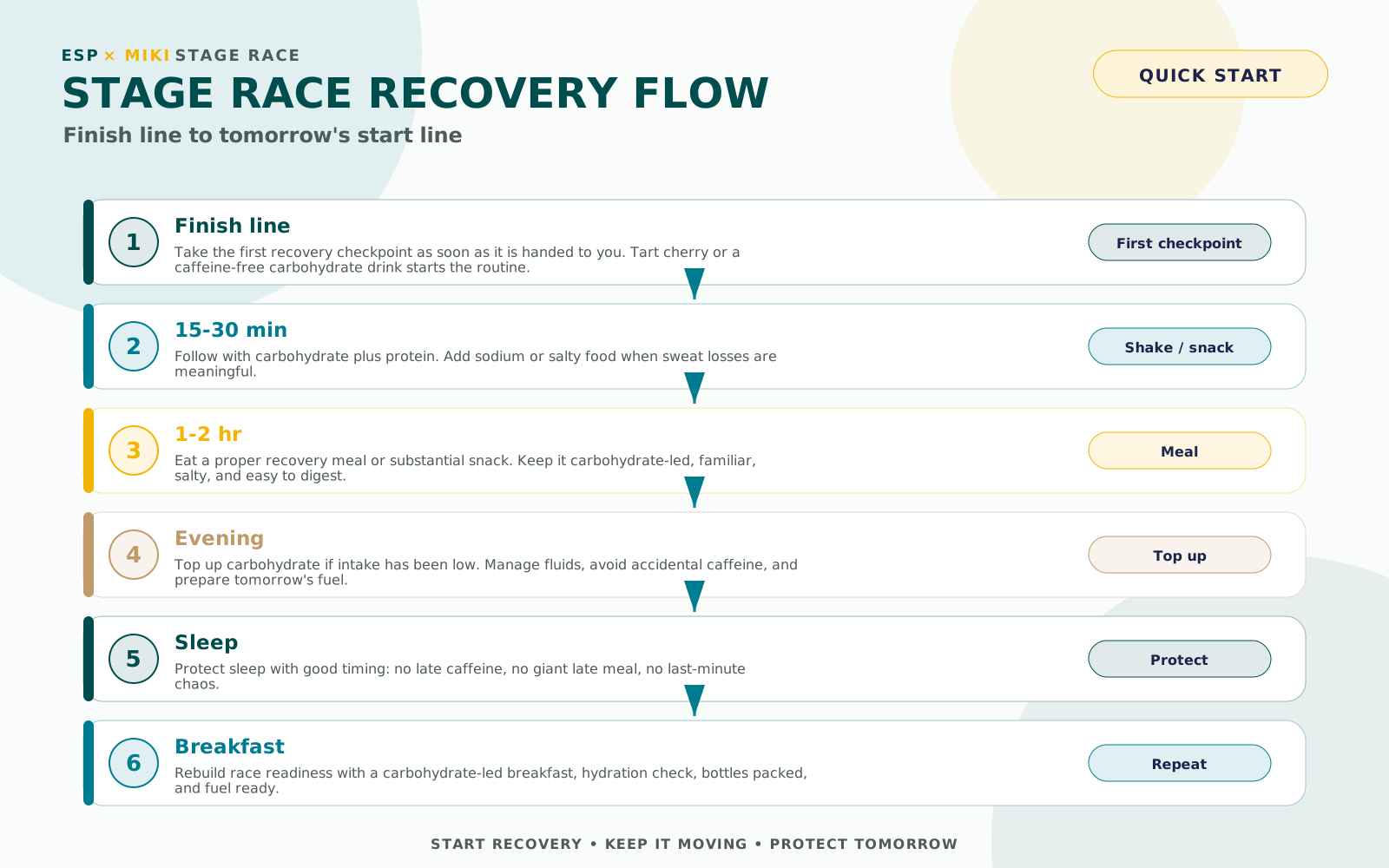
- Finish: tart cherry or caffeine-free carbohydrate drink.
- 15–30 min: carbohydrate plus protein recovery.
- 1–2 hr: meal or substantial snack with salt and fluids.
- Evening: top up carbohydrate, manage fluids, avoid accidental caffeine.
- Morning: check hydration, eat breakfast, prepare bottles and fuel.
On-Bike Fueling Reduces the Recovery Job
Fueling during the stage supports today’s performance and reduces the recovery job after the finish.
Core Priorities
| Priority | Why it matters | Simple rider action |
|---|---|---|
| Carbohydrate | Restores race energy and helps protect the next stage. | Keep carbs moving after the finish and across the evening. |
| Fluid | Replaces sweat losses and supports cooling and recovery. | Sip progressively after the stage. |
| Sodium | Helps replace sweat sodium and retain fluid. | Use electrolytes, sodium-containing drinks, or salty foods when losses are meaningful. |
| Total energy | Prevents small deficits accumulating across the tour. | Do not rely on one big dinner to fix the day. |
| Protein | Supports repair, adaptation, immune function, and general health. | Use after racing and at meals; keep conservative close to race start. |
| Sleep | The main recovery tool. | Avoid accidental caffeine and protect the evening routine. |
| Safe food | Reduces illness and gastro risk. | Keep food clean, chilled, labelled, and low-risk. |
Recovery Priority
| Indicator | Low urgency | Moderate urgency | High urgency | Critical urgency |
|---|---|---|---|---|
| Duration | <90 min | 90–150 min | 2.5–4 hr | 4+ hr or short turnaround |
| Terrain | Flat / controlled | Rolling | Hilly / repeated climbs | Mountain, hot, or highly selective |
| Intensity | Easy bunch day | Normal race load | Repeated attacks / hard finale | Full gas, breakaway, GC day, major selection |
| Next-day demand | Rest day or easy day | Normal stage | Important stage | Key stage, TT, mountain stage, or short recovery window |
| Appetite risk | Normal appetite | Slightly reduced | Low appetite after finish | Cannot face solid food |
| Recovery response | Normal meal rhythm | Finish carbs + meal | Finish carbs + shake + dinner + evening top-up | Full recovery protocol with sodium, liquid recovery, carb targets, and sleep protection |
Why Timing Matters
In a stage race, recovery is not one shake or one dinner. It is a timed chain of actions from the finish line through to the next start.
Total daily intake matters, but when fuel, fluid, sodium and protein are delivered also matters. The stage is not finished at the line. The next stage starts with the first recovery action.
- Immediately after the finish: start fluid, sodium and carbohydrate.
- Early recovery: add protein and continue carbohydrate intake.
- Afternoon / transfer: keep energy and fluids coming in small repeatable doses.
- Dinner and evening: restore carbohydrate, protein, sodium and normal food quality.
- Pre-bed and morning: protect sleep, appetite and next-stage readiness.
Stage Race Fueling Rules
- Do not wait until dinner to start recovery.
- Small deficits compound across a tour.
- The harder, hotter, longer, or more important the next stage, the more deliberate recovery needs to be.
- Carbohydrate availability drives repeated endurance performance.
- Protein supports repair and health, but should not crowd out carbohydrate or sit heavily close to the start.
- Fluid and sodium replacement continue after the finish.
- Appetite is not always a reliable guide during stage racing.
- Food-first is the default; supplements are tools, not the foundation.
- Nothing new should be introduced during an important race block.
How to Use This Guide
| Step | Athlete action | Coach/support cue |
|---|---|---|
| 1 | Review yesterday: work, fueling, hydration, sleep, appetite. | Identify recovery debt before planning today. |
| 2 | Review today: start time, terrain, heat, role, duration. | Set carbohydrate, sodium, caffeine, and recovery priority. |
| 3 | Review tomorrow: easy day, key stage, TT, climbing stage, travel. | Use tomorrow’s demand to decide how aggressive today’s recovery needs to be. |
| 4 | Prepare finish-line recovery before the start. | Have first checkpoint and recovery shake ready. |
| 5 | Execute first, second, and third recovery checkpoints. | Prompt the rider before logistics get in the way. |
| 6 | Protect evening meal timing, fluids, sodium, and sleep. | Avoid late caffeine, giant late meals, and missed top-ups. |
| 7 | Pack and confirm next-day fuel before bed. | Reduce morning stress and missed fueling. |
Relationship to Other Protocols
| Protocol / tool | Primary focus | Use for |
|---|---|---|
| Race Fueling Protocol | Race execution | Pre-race meal, in-race carbohydrate, fluids, sodium, caffeine, bottle systems, immediate race strategy. |
| Stage Race Fueling & Recovery Protocol | Repeatability across days | Full-day intake, finish-line recovery, hydration, protein timing, sleep protection, appetite, logistics, food safety. |
| Scientific Supplements Protocol | Supplement decisions | Evidence, dosing, timing, legality, contamination risk, contraindications, junior rider suitability. |
| Hexis | Individualised elite adult fueling targets | Day-by-day carbohydrate, energy, and meal timing guidance when accurate data is available. |
Stage Race Quick Start
The stage is not finished at the finish line. Start recovery immediately, then keep the routine moving through the afternoon, dinner, evening and next morning.
The basics are simple: fluid, sodium, carbohydrate, protein, total energy, food safety and sleep.
Stage-race recovery should be simple enough to execute when the rider is tired, hot, distracted, travelling, or not hungry.
The goal is to start recovery immediately, keep intake moving across the day, and protect the next stage.
Finish-line first option: have one tart cherry serving or ~250–500 ml caffeine-free carbohydrate drink ready, then follow with carbohydrate, protein, sodium and a real meal.
- Fuel the stage with carbohydrate, fluid, and sodium.
- Have the finish-line recovery checkpoint ready before the stage starts.
- Immediately after the finish, take tart cherry or a caffeine-free carbohydrate drink.
- Follow with carbohydrate plus protein within 15–30 minutes where practical.
- Rehydrate progressively with fluid and sodium, not just plain water.
- Reduce the day’s energy deficit across transfer snacks, dinner, evening top-up, breakfast, and pre-stage intake.
- Use protein to support repair and health, but keep protein conservative close to race start.
- Protect sleep by avoiding accidental caffeine, heavy late meals, and poor evening routines.
- Keep food safe: clean, chilled, labelled, and low-risk.
- Elite adult riders using Hexis should use Hexis for individualised targets and this protocol for execution.
Visual Quick Start
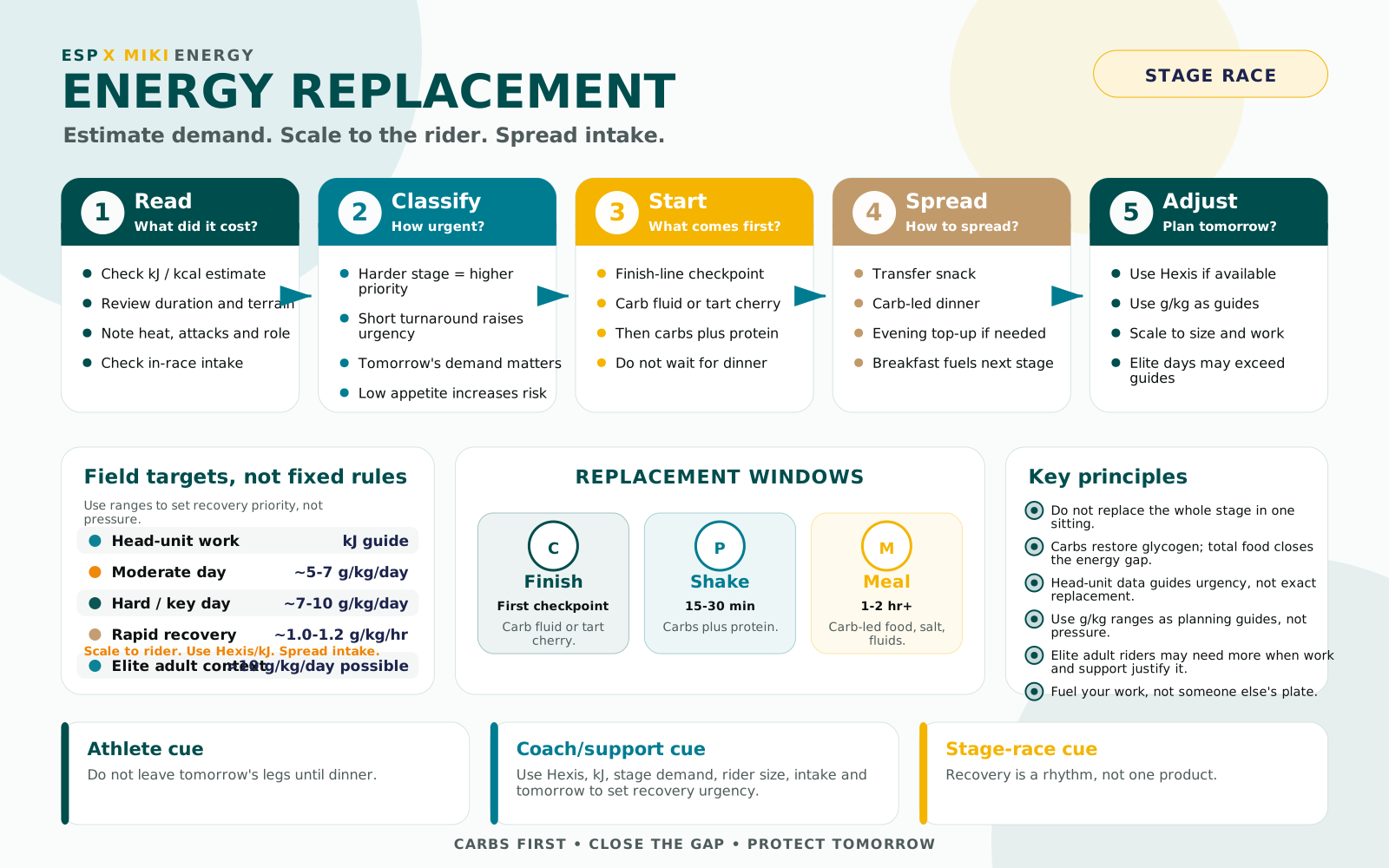
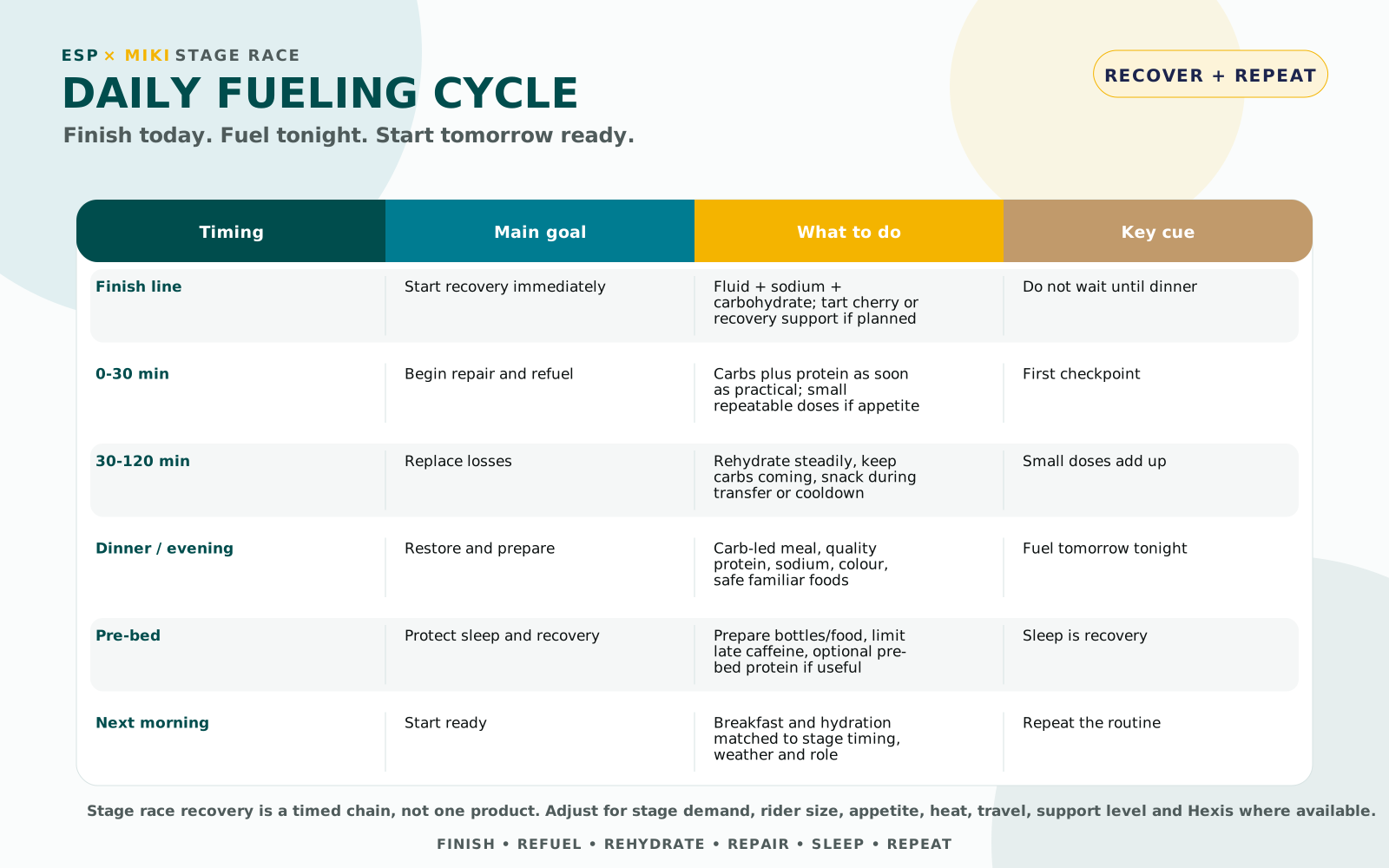
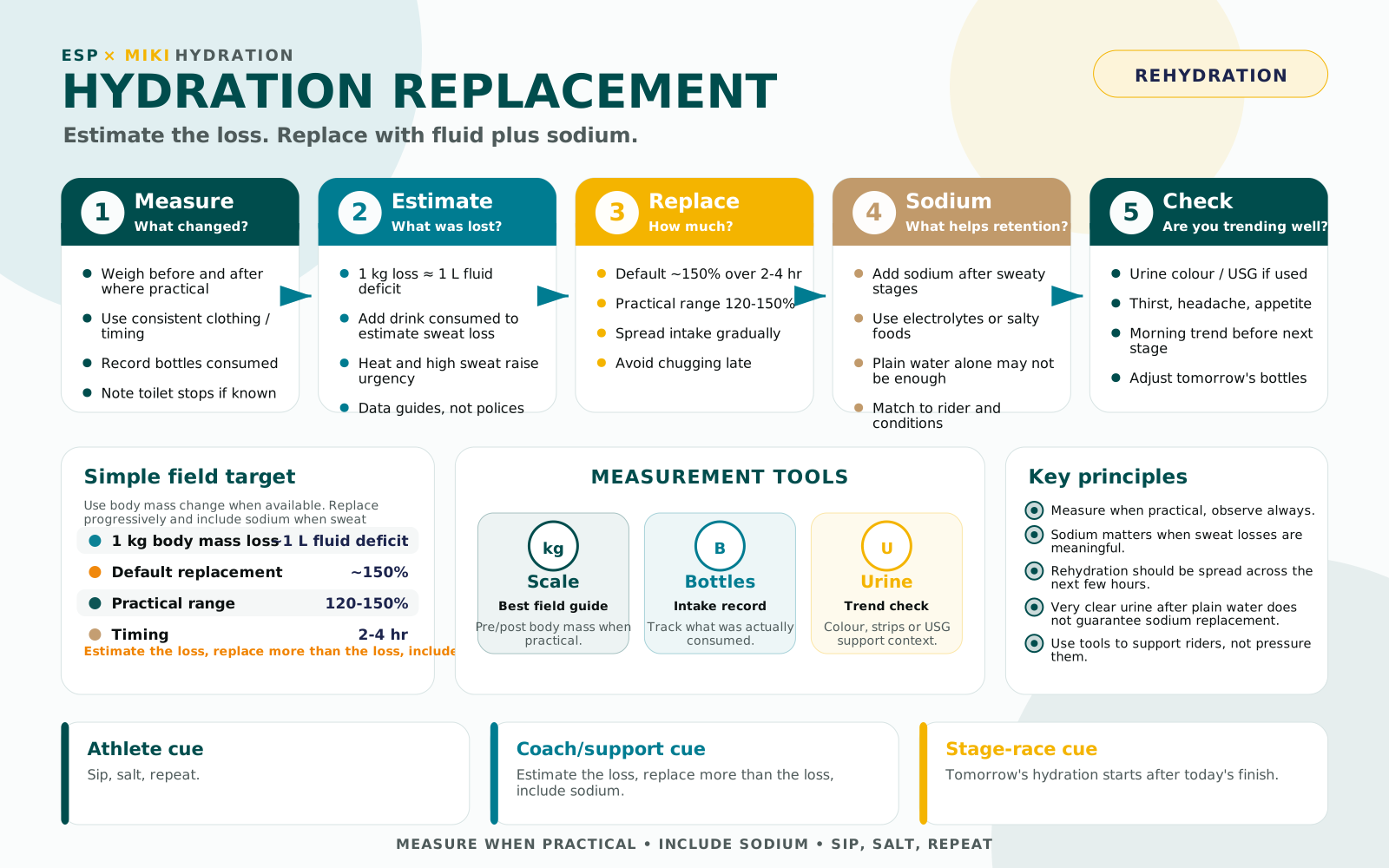
Use these visuals as the field guide: recover immediately, repeat the daily fueling cycle, replace energy, replace fluid and sodium, and protect sleep.
Visuals are quick guides. Use the detailed sections to individualise for stage demand, rider size, weather, support, appetite and Hexis where available.
Daily Stage Race Rhythm
| Window | Athlete action | Coach/support cue |
|---|---|---|
| Before stage | Start fueled with low gut load. | Confirm breakfast, bottles, sodium, pre-stage food, and caffeine decision. |
| During stage | Fuel the work with the practiced race plan. | Support carbohydrate, fluid, sodium, and feed logistics. |
| Finish line | Take the first recovery checkpoint immediately. | Hand over tart cherry or caffeine-free carbohydrate drink. |
| 15–30 min post-stage | Add carbohydrate plus protein. | Provide recovery shake, chocolate milk, smoothie, or food-based option. |
| Transfer / 30–120 min | Keep intake moving. | Have snacks, bottles, sodium, and low-risk foods accessible. |
| Dinner | Eat a carbohydrate-led meal with protein, salt, and fluids. | Do not make dinner carry the entire day’s recovery load. |
| Evening | Top up if needed and protect sleep. | Avoid accidental caffeine, giant late meals, and excessive late fluids. |
| Next morning | Check hydration, eat breakfast, prepare to repeat. | Confirm bottles, fuel, and start-time nutrition. |
Step 1: Immediate Finish-Line Recovery
| Timing | Practical amount | Good options | What it does | Important note |
|---|---|---|---|---|
| Immediately at finish | 1 tart cherry shot/serving OR ~250-500 ml caffeine-free carb drink | Tart cherry, Fanta, lemonade, juice, caffeine-free sports drink, carb drink | First carbohydrate/fluid checkpoint; easy to take when appetite is low | Use caffeine-free options by default after stages; this is not the full recovery plan |
| Within 15-30 min | ~20-30 g protein plus carbohydrate | Recovery shake, chocolate milk, smoothie, carb drink plus protein source, yoghurt/milk option | Starts repair and continues carbohydrate replacement | Add sodium or salty food when sweat losses are meaningful |
| Within 1-2 hr | Carb-led meal or substantial snack | Rice, pasta, potatoes, bread, oats, wraps, cereal, lean protein, salty foods | Restores energy, carbohydrate, sodium and normal food quality | Do not let dinner carry the whole recovery load if the finish was hours earlier |
| Next 2-4 hr | Replace ~150% of measured fluid loss where practical | Electrolyte drink, sodium-containing fluids, salty foods, regular sipping | Restores fluid and supports retention | Small repeated drinks usually work better than chugging plain water |
Step 2: Rehydrate and Replace Sodium
Rehydration continues after the finish. In stage racing, the goal is to replace fluid progressively and include sodium when sweat losses are meaningful.
Rehydration Target
When body mass change can be measured, estimate fluid loss and aim to replace approximately 150% of the fluid lost over 2–4 hours, including sodium. This should be spread progressively rather than forced at once.
As a practical range, 120–150% of estimated fluid loss can be used when exact replacement is not possible, with the upper end most relevant after hard, hot, high-sweat, or short-turnaround stages.
- 1 kg body mass loss is approximately 1 litre of fluid deficit.
- If the rider is 1 kg down after the stage, aim for roughly 1.5 litres over the next 2–4 hours, with sodium.
- Use smaller repeated drinks rather than chugging large volumes at once.
- Plain water alone is not ideal after meaningful sweat losses; include sodium through electrolyte drink, sodium-containing recovery product, salty foods, or meals.
Sodium Focus
Sodium helps retain fluid and replace meaningful sweat sodium losses. It becomes more important after hot stages, heavy sweat losses, salty sweaters, long stages, and short turnarounds.
- Use sodium in bottles or recovery drinks when sweat losses are meaningful.
- Use salty foods at meals and transfer snacks.
- Avoid over-drinking plain water without sodium after heavy sweat losses.
Step 3: Restore Carbohydrate and Energy
| Scenario | Carbohydrate target | How to use it |
|---|---|---|
| Light / easy stage or low next-day demand | 3–5 g/kg/day | Use normal meals and snacks; avoid unnecessary overcomplication. |
| Moderate stage or normal stage-race day | 5–7 g/kg/day | Carb-led meals plus post-stage and evening snacks. |
| Hard stage, long stage, hot stage, or important next-day stage | 7–10 g/kg/day | Aggressive carb restoration across finish, transfer, dinner, evening, and breakfast. |
| Very hard endurance day or short turnaround | Up to 10–12 g/kg/day where appropriate | Only for high-demand days; requires planning, low-fibre choices, and gut tolerance. |
| First 1–4 hr post-stage when rapid recovery is needed | 1.0–1.2 g/kg/hr | Spread across drinks, snacks, recovery shake, and early meal. |
Head-Unit Energy Guidance
| Head-unit indicator | Interpretation | Recovery response |
|---|---|---|
| Low kJ / low estimated kcal | Short or controlled stage; lower total energy cost | Normal recovery rhythm; still eat promptly if racing again tomorrow. |
| Moderate kJ / moderate estimated kcal | Meaningful stage load | Finish-line carbohydrate, normal recovery meal, protein, fluids, sodium as needed. |
| High kJ / high estimated kcal | Large recovery demand | Finish-line carbohydrate, recovery shake, transfer snack, carb-led dinner, evening top-up. |
| Very high kJ / very high estimated kcal | High risk of cumulative deficit | Full recovery protocol with aggressive carbohydrate restoration, sodium/fluid replacement, sleep protection. |
| Data seems wrong or missing | Power dropouts, head-unit error, no power data, unusual estimate | Use stage demand, RPE, duration, terrain, heat, and rider presentation instead. |
Step 4: Protein Timing and Repair
| Timing | Protein guidance | Examples |
|---|---|---|
| 0–30 min post-stage | Include a practical protein source with carbohydrate | Recovery shake, chocolate milk, yoghurt, milk, sandwich, rice meal with lean protein. |
| Main meal / dinner | Include a normal protein serving | Chicken, fish, eggs, tofu, lean meat, legumes if tolerated. |
| Evening / pre-bed | Optional top-up if intake has been poor or recovery demand is high | Milk, yoghurt, smoothie, protein shake, cereal with milk. |
| Breakfast before later start | Small to moderate protein is acceptable if early enough and tolerated | Eggs with toast, yoghurt with oats, small chicken portion with rice. |
| Final 2 hours pre-start | Avoid protein-heavy foods | Use banana, toast and jam, rice cakes, sports drink, gels, chews. |
Appetite Management
Appetite often drops during stage races because of fatigue, heat, nerves, travel, gut load, or repeated hard efforts. Riders may need a plan even when they do not feel hungry.
Strategies When Appetite Is Low
- Use liquid recovery when solid food is difficult.
- Keep snacks visible and accessible.
- Use small, frequent intake rather than waiting for one large meal.
- Choose familiar, low-risk foods.
- Include salty foods if sweet fatigue develops.
- Build a post-stage routine so eating does not depend on motivation.
Practical Options
- Smoothie
- Chocolate milk
- Recovery shake
- Cereal and milk
- Rice pudding
- Banana
- Toast
- Wrap
- Soup with bread
- Rice with soy sauce
- Crackers or pretzels
Late Starts, Early Starts and Sleep Protection
Start time changes the meal pattern. The closer the rider gets to race start, the more the food should shift toward simple, familiar carbohydrate and away from heavy protein, fat, fibre, or unfamiliar foods.
Later Starts
Later starts create more opportunity to eat normally earlier in the day, but they also create risk. Riders may eat a heavy lunch too close to the start and begin the race with high gut load.
- Breakfast can include normal recovery foods and some protein.
- Lunch should become more carbohydrate-focused as the start approaches.
- Keep chicken, eggs, meat, cheese, and high-fat foods earlier and smaller.
- The final 1–2 hours should be simple carbohydrate and fluids.
Early Starts
Early starts reduce the time available for digestion. The priority is to start fueled without forcing a large heavy breakfast.
- Use a familiar carbohydrate-led breakfast.
- Keep protein small or skip it if timing is tight.
- Use liquid carbohydrate if appetite is low.
- Top up during warm-up or on the start line if appropriate.
Putting It Together
A stage race recovery plan should connect the finish line, the first recovery window, the afternoon, dinner, evening, sleep and the next morning.
The goal is not perfection. The goal is to repeat the basics well enough that small deficits do not accumulate across the block.
- Finish line: fluid, sodium and carbohydrate first.
- First 30 minutes: begin recovery routine and add protein as soon as practical.
- Next 2–4 hours: rehydrate and spread carbohydrate intake.
- Dinner: carbohydrate, protein, sodium and normal food quality.
- Evening: prepare tomorrow, protect sleep, avoid unnecessary caffeine.
- Next morning: breakfast and hydration matched to start time and stage demand.
Athlete Ownership and Support
Support levels vary. Some riders will have coaches, parents, soigneurs, feed zones, or team staff. Others, especially when travelling, guest riding, or racing overseas, may need to prepare and manage more of the plan themselves.
The rider should understand the plan well enough to protect the basics when support is limited, while communicating clearly and respectfully when team support is available.
In stage races, this matters even more because tomorrow starts whether support is perfect or not.
- Know your fueling, hydration, and recovery plan before the ride or race starts.
- Know what is in your bottles, pockets, musette, finish bag, or recovery kit.
- Carry backup carbohydrate and sodium where practical.
- Communicate clearly and early with team staff about your needs.
- Work within team constraints while still protecting your core fueling and recovery priorities.
- Do not wait for someone else to solve basic fueling, hydration, or recovery.
Communicating With Team Support
When racing with a team, communicate fueling and recovery needs clearly and respectfully before the race or stage. Understand the team system and work within it while still protecting the core priorities: carbohydrate, fluid, sodium, recovery timing, food safety, and sleep.
- Ask what the team provides before assuming.
- Confirm bottle mix, carbohydrate concentration, and sodium content.
- Confirm feed-zone, musette, and finish-line arrangements where relevant.
- Confirm whether recovery drinks, food, or transport snacks are provided.
- Communicate allergies, intolerances, caffeine preferences, and products that do not work.
- Bring personal backup options when allowed.
- Respect team logistics and avoid unrealistic special requests.
- Adapt the plan without abandoning the basics.
Soigneur, Parent and Self-Sufficient Setup
Support levels vary. Some riders will have a soigneur, team car, parents, staff or hotel support. Others need to self-manage recovery while travelling, guest riding or racing overseas.
The system should be simple enough that the rider can still protect the basics when support is limited.
- Have the first recovery drink or food ready before the stage starts.
- Know who is responsible for finish-line drinks, bottles, food, kit, transport and dinner.
- Label bottles and recovery items clearly where team support is involved.
- If self-supported, pack a small finish-line recovery kit before leaving for the stage.
- Use cool bags, ice packs and safe storage when food or drinks are prepared ahead.
Food Safety and Hygiene
Gastrointestinal illness can compromise or end a stage race. Food safety is part of performance preparation. Riders and support staff should be careful with food preparation, storage, transport, and hygiene, especially when meals or recovery foods are prepared ahead of time.
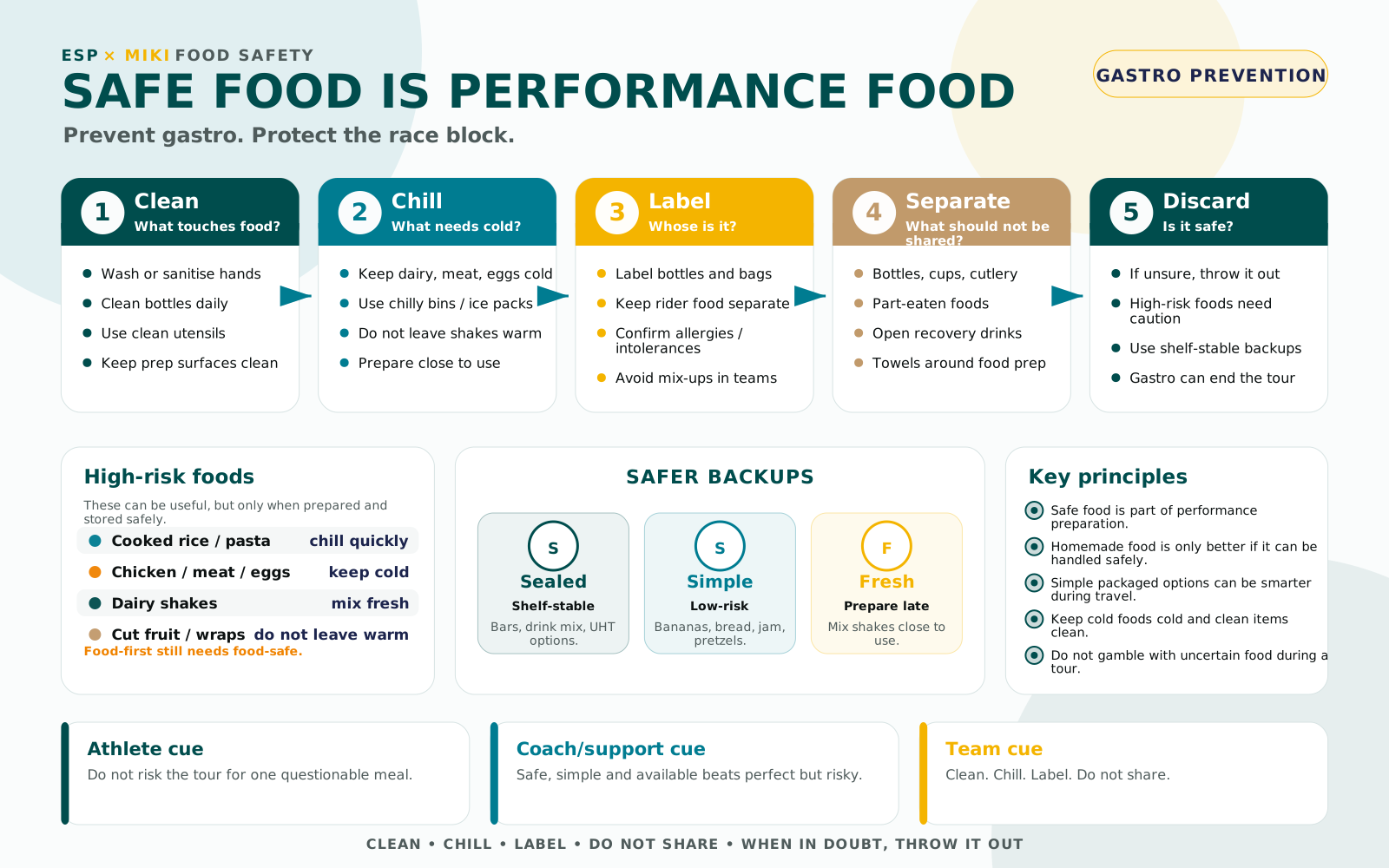
Food Safety Principles
- Wash or sanitise hands before preparing or eating food.
- Keep chilled foods cold during travel and at the finish area.
- Use insulated bags, chilly bins, ice packs, or refrigeration where needed.
- Do not leave dairy, meat, rice dishes, cooked meals, smoothies, or recovery shakes sitting warm.
- Prepare bottles, shakes, and food with clean utensils and clean surfaces.
- Avoid sharing bottles, cups, cutlery, or partially eaten food between riders.
- Label rider bottles and food where practical.
- Use safe water sources only.
- Be cautious with buffets, street food, undercooked meat/eggs, unwashed produce, and unfamiliar foods during important race blocks.
- When in doubt, throw it out rather than risk gastro during a tour.
High-Risk Foods When Kept Warm
- Cooked rice or pasta held warm for too long
- Chicken, meat, fish, or egg dishes
- Dairy-based smoothies or shakes
- Opened milk or yoghurt
- Cut fruit stored warm
- Sandwiches or wraps with meat, egg, dairy, or mayonnaise
Safer Options When Chilling Is Limited
- Sealed sports drinks
- Powdered recovery mix prepared when needed
- Long-life milk or UHT options
- Commercially packaged bars or rice cakes
- Bananas
- Bread, bagels, wraps, jam, honey
- Pretzels or crackers
- Shelf-stable rice pudding or custard if tolerated
- Electrolyte tablets or sachets
Daily Checklist
Use this checklist each day of a stage race, tour, camp, or repeated race block.
- Check tomorrow’s stage demand.
- Confirm breakfast and pre-stage timing.
- Confirm bottles, carbs, sodium, and caffeine plan.
- Prepare finish-line recovery before the stage starts.
- First checkpoint: tart cherry or caffeine-free carbohydrate drink.
- Second checkpoint: carbohydrate plus protein recovery.
- Third checkpoint: meal, fluids, sodium, and evening top-up if needed.
- Protect sleep: no accidental caffeine, sensible dinner timing, screens down.
- Check hydration trend: body mass, urine colour/USG if used, thirst, symptoms.
- Pack next-day fuel before bedtime.
Caffeine and Sleep Protection
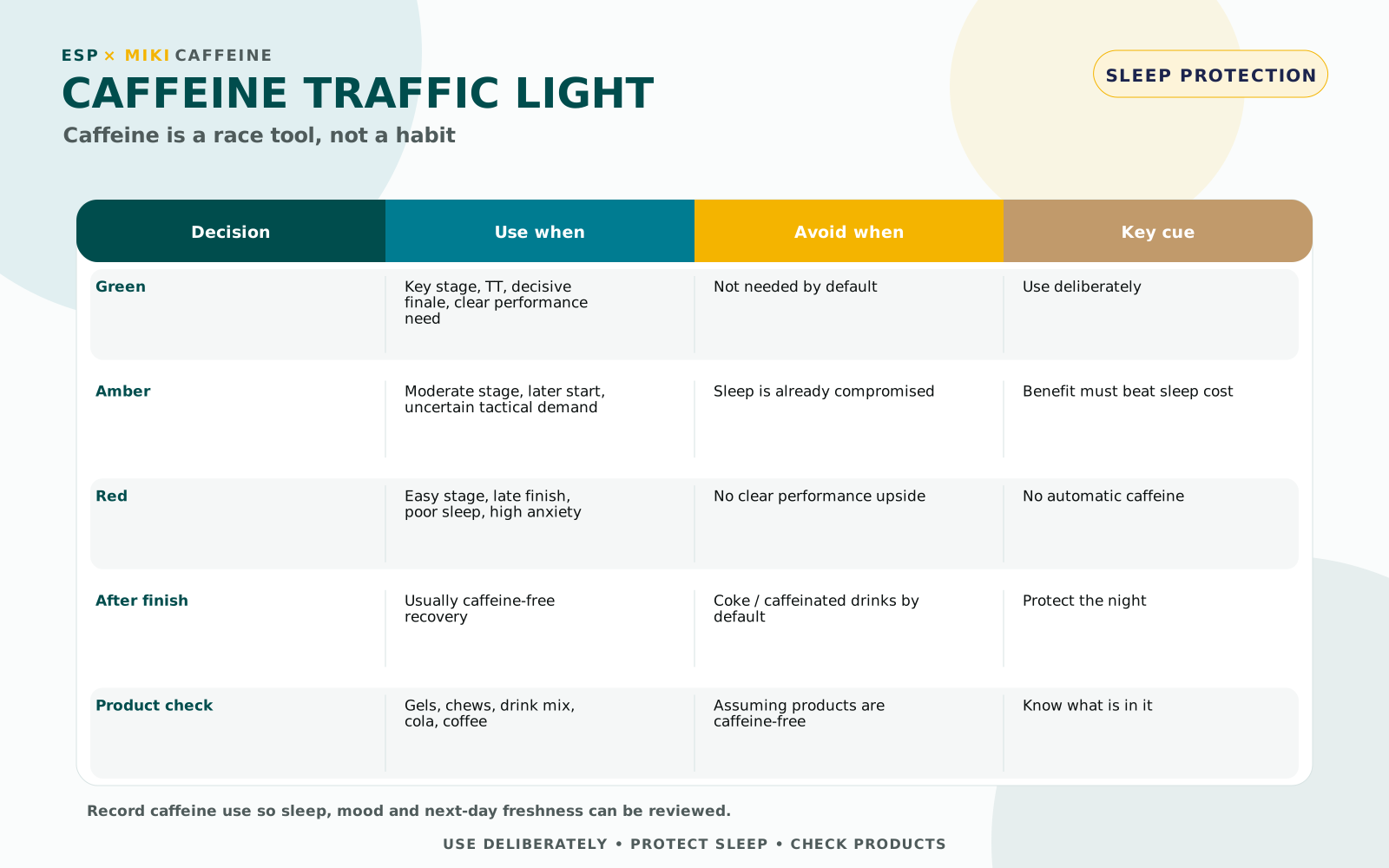
Caffeine can support race performance, but in stage racing it can also compromise sleep and therefore recovery. Caffeine should be used deliberately, not automatically.
- Use caffeine for key stages, time trials, hard finales, or tactical days where the benefit is clear.
- Avoid caffeine on easy stages by default.
- Avoid caffeine late in the day unless the stage outcome justifies the sleep trade-off.
- Avoid caffeinated soft drinks after stages by default.
- Check gels, chews, drink mixes, cola, coffee, and pre-workout products for caffeine.
- Record caffeine use so sleep and next-day freshness can be reviewed.
Caffeine Traffic Light
Use caffeine deliberately when the performance benefit is worth the recovery cost.
| Colour | Use | Meaning |
|---|---|---|
| Green | Key stage, time trial, decisive day, early stage with clear performance need | Caffeine may be appropriate if tested and planned. |
| Amber | Moderate stage, later start, uncertain sleep risk | Use only if benefit outweighs recovery cost. |
| Red | Easy stage, late finish, poor sleep, high anxiety, no clear performance need | Avoid caffeine by default. |
Sleep Protection
- Start recovery early so dinner does not have to do all the work.
- Avoid one huge late meal when smaller earlier intake is possible.
- Use fluids and sodium earlier in the evening rather than forcing large fluid volumes at bedtime.
- Keep screens, team logistics, and stimulation controlled where practical.
- Use tested recovery supports such as tart cherry where appropriate.
- Medical sleep aids or hormone-based sleep strategies sit outside this protocol and should be handled through appropriate medical/professional guidance.
Recovery Supports and Supplements
| Tool | Possible role | Protocol position |
|---|---|---|
| Tart cherry | First recovery checkpoint, polyphenol support, possible soreness and sleep support | Useful in race blocks if tested; use one serving per product label. Not the whole recovery plan. |
| Recovery shake | Convenient carbohydrate plus protein when appetite or logistics are poor | Useful finish-line or transfer tool; commonly targets ~20-30 g protein plus carbohydrate. Pair with sodium if needed. |
| Protein powder | Convenient protein source | Optional; useful when food access is limited; not a replacement for carbohydrate. |
| Electrolyte / sodium products | Fluid retention and sodium replacement | Useful after hot stages or heavy sweat losses; use to support fluid retention and rehydration rather than plain water only. |
| Caffeine | Performance aid | Use deliberately; manage against sleep cost. |
| Nitrate / beetroot | Possible performance support | Refer to Scientific Supplements Protocol for dosing/timing. |
| Sodium bicarbonate | Buffering support for high-intensity efforts | High GI-risk; only if tested and appropriate. |
| Beta-alanine | Chronic loading support for repeated high-intensity efforts | Not an acute race-day fix; refer to Scientific Supplements Protocol. |
| Magnesium | Individualised support if intake/status is low | Optional; do not introduce during a race block; can cause GI upset. |
Hydration Measurement Tools
| Tool | Use | Notes |
|---|---|---|
| Pre/post body mass | Best practical field method when conditions allow | Weigh before and after the stage in minimal, consistent clothing. Each 1 kg loss is approximately 1 litre fluid deficit. |
| Fluid intake records | Shows how much was replaced during the stage | Record bottles started, bottles finished, and missed feeds. |
| Urine colour | Simple additional guide across the day | Useful but affected by supplements, vitamins, and recent fluid intake. |
| Urine specific gravity refractometer | Best urine-based field option | Useful for trends, especially morning/evening checks; does not directly calculate stage fluid loss. |
| Hydration test strips | Lower-cost screening option | Less precise than refractometry; useful as a prompt for discussion, not a standalone decision. |
| Thirst | Useful but incomplete signal | Do not rely on thirst alone after hot stages or short turnarounds. |
| Rider presentation | Coach observation | Watch for headache, dizziness, unusual fatigue, dry mouth, chills, nausea, poor appetite, or inability to cool down. |
Fueling Planning Hierarchy
This protocol can be used with or without Hexis. For elite adult riders using Hexis, Hexis should normally provide the individualised carbohydrate, energy, and meal-timing targets. This protocol explains how to execute, adapt, and protect the routine across a stage race. For riders not using Hexis, use protocol ranges, head-unit data, stage demand, rider size, appetite, and coach judgement.
Elite Adult Riders Using Hexis
For elite adult riders using Hexis, use Hexis as the primary individualised planning tool for day-by-day carbohydrate, energy, and meal-timing guidance. Use this protocol to execute the plan, protect sleep, manage finish-line recovery, and adapt to race logistics.
- Review yesterday’s completed work, fueling compliance, and recovery intake.
- Review today’s planned stage, start time, expected intensity, heat, logistics, and role.
- Review tomorrow’s stage or training demand before deciding how aggressive recovery needs to be today.
- Do not override Hexis with generic protocol numbers unless there is a clear coaching, gut-tolerance, logistics, medical, or data-quality reason.
Riders Not Using Hexis
For riders not using Hexis, use this protocol as the planning framework. Set recovery priority from stage demand, rider size, head-unit kJ/estimated kcal, terrain, heat, appetite, and tomorrow’s requirements.
- Use g/kg carbohydrate ranges as planning guides, not rigid rules.
- Use head-unit kJ or estimated kcal to inform recovery urgency, not exact replacement.
- Use body mass change and bottle intake to guide rehydration when practical.
- Use rider feedback and coach observation to adjust the plan.
When Data Is Missing or Unreliable
If data is missing, obviously wrong, or incomplete, fall back to the basics: race duration, terrain, heat, intensity, appetite, body size, missed intake, and next-day demand.
- Power dropouts, device errors, missed uploads, or unrealistic calorie estimates should not justify underfueling.
- When uncertain after a hard stage, use the finish-line recovery sequence and keep carbohydrate, fluid, sodium, and food moving across the day.
Rider Size, Power and Category
Fueling principles are the same across male and female riders: match carbohydrate, fluid, sodium, and total energy replacement to the rider, the work completed, and the work still to come.
Larger riders and riders producing higher absolute power generally create larger absolute energy demands. Smaller riders may have lower absolute kcal needs, but still require high relative carbohydrate availability and should not be under-fueled.
- Use g/kg ranges rather than copying absolute gram targets between riders.
- Use head-unit kJ, estimated kcal, stage duration, terrain, heat, and race role to judge recovery demand.
- Men’s elite races may create larger absolute energy expenditure because of longer duration, higher speeds, and higher absolute power outputs.
- Women’s and junior women’s stages may be shorter, but recovery risk can still be high if intake is low, appetite is suppressed, or the next stage has high demand.
- Do not underfuel smaller or female riders because the absolute calorie estimate looks lower.
Common Mistakes
- Waiting until dinner to start recovery.
- Using tart cherry or Fanta as if it is the full recovery plan.
- Replacing fluid with plain water only after heavy sweat losses.
- Forgetting sodium after hot stages.
- Eating too little because appetite is low.
- Using caffeine automatically on easy stages or late finishes.
- Eating a heavy protein, fat, or fibre-rich meal too close to the start.
- Treating a later race start as permission to eat a large heavy lunch too close to racing.
- Copying absolute carb or calorie targets between riders without considering body size and work completed.
- Trusting head-unit kcal estimates as exact truth.
- Introducing new supplements during a race block.
- Letting recovery foods sit warm during travel or at the finish area.
- Letting dinner carry the whole recovery load.
Recovery Troubleshooting
| Problem | Likely cause | Response |
|---|---|---|
| Heavy stomach before stage | Too much protein, fat, fibre, or food volume too close to start | Move protein earlier, simplify pre-start food, reduce fibre and fat. |
| Nausea or poor appetite early in race | Pre-race meal too heavy or too close to start | Review timing, reduce gut load, and use tested low-fibre carbohydrate options. |
| Low appetite after stage | Fatigue, heat, nerves, gut stress | Use liquid recovery, small frequent snacks, salty options. |
| Flat legs next day | Incomplete carbohydrate restoration or low total intake | Increase post-stage carbs, evening carbs, breakfast carbs. |
| Waking hungry overnight | Inadequate dinner or evening intake | Add pre-bed snack with carbohydrate and optional protein. |
| Cramping or headache | Possible fluid/sodium deficit, heat stress, or underfueling | Review sweat losses, sodium, fluids, and total intake. |
| Sweet fatigue | Too many sweet products across repeated days | Add savoury carb options such as rice, bread, pretzels, soup, potatoes. |
| Poor sleep | Late caffeine, stress, under-eating, over-hydration late evening | Review caffeine timing, evening meal, fluid timing, screens, and wind-down routine. |
| Gastro symptoms in team | Food handling, shared bottles, unsafe food, illness exposure | Tighten hygiene, isolate shared items, avoid risky foods, use safer packaged options. |
Coach and Athlete Cues
Use simple language under pressure. The rider should hear the same cues repeatedly across the block.
Athlete Cues
- Fuel today, recover tonight, protect tomorrow.
- First drink, then shake, then meal, then sleep.
- Do not leave tomorrow’s legs until dinner.
- Recover with protein. Race on carbs.
- Sip, salt, repeat.
- No automatic caffeine.
- Safe food is performance food.
- Fuel your work, not someone else’s plate.
Coach Cues
- The rider owns the routine; the support team removes friction.
- Hexis sets the target where available; the protocol guides execution.
- Use kJ and estimated kcal to inform urgency, not chase exact replacement.
- Estimate the loss, replace more than the loss, include sodium, and spread it across the next few hours.
- Caffeine is a race tool, not a habit.
- Supplements support the plan; they do not replace the basics.
- A recovery plan only works if the food is safe enough to eat.
Mindset Cues
- Tomorrow starts at the finish line.
- Simple, repeated, reliable.
- Routine beats motivation.
- Data helps; context decides.
- Support, not substitute.
References
- Use the ESP × miki Race Fueling Protocol for pre-race and in-race fueling execution.
- Use the ESP × miki Scientific Supplements Protocol for detailed supplement decisions, dosing, legality, and risk management.
- Use Hexis as the primary individualised fueling tool for elite adult riders where available and based on accurate data.
- Use professional medical or dietetic guidance for clinical nutrition issues, persistent sleep problems, illness, RED-S risk, gastrointestinal problems, or supplement questions beyond this protocol.
- UCI Sports Nutrition Project: Race Nutrition for Road Cycling — elite stage-race context for on-bike carbohydrate intake, daily energy balance, fluid needs, and macronutrient distribution